
Loading...
Serving Mountain View, CA and surrounding areas. (650) 582-0573
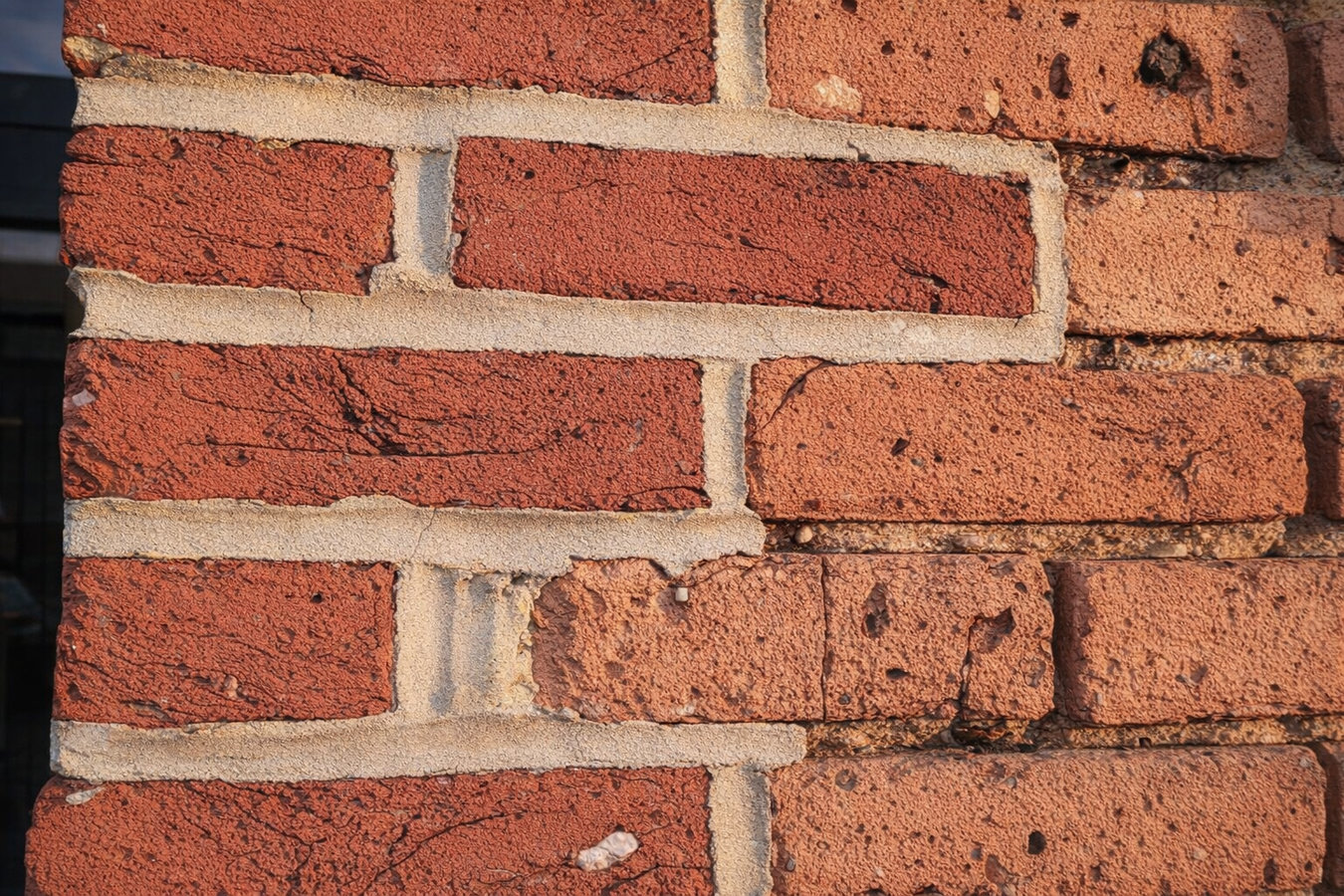
Crumbling mortar, stained brick, or spalling stone is telling you something. We restore your masonry before Bay Area rains turn a small problem into a costly rebuild.
Masonry restoration in Mountain View covers repairing, cleaning, and stabilizing brick, stone, or concrete block surfaces that have started to deteriorate - most jobs take one to three days depending on the size of the area and how deep the damage has gone.
Mountain View homeowners most often need this service when mortar joints start crumbling after several Bay Area wet seasons, or when spalling appears on a chimney, retaining wall, or garden wall that is 40 or more years old. Catching it early keeps costs manageable - a small repointing job today is a fraction of what a wall rebuild costs later. If you have also noticed cracks or shifting, our fireplace installation and stone masonry teams handle related structural work that often comes up during the same visit.
If your home was built before 1980 and has never had masonry work done, there is a reasonable chance the mortar joints are at or past the point where they start to fail. A quick inspection is the best way to know where you stand.
A white, powdery residue on brick or stone walls means water has been moving through the masonry and depositing minerals on the surface as it evaporates. In Mountain View this often appears after the first heavy rains of the season, especially on north-facing or shaded walls. It is not dangerous on its own, but it is a reliable sign that moisture is getting in and the masonry needs attention.
Run your finger along the lines between your bricks or stones. If the mortar feels soft, crumbles easily, or has pulled away from the edges of the masonry units, it is no longer doing its job. Joints that are recessed more than a quarter inch are letting water pool and soak in with every rain - a common finding on Bay Area homes after several wet seasons without maintenance.
Mountain View's cycle of dry summers and wet winters puts repeated stress on masonry. New cracks - even thin ones at corners, around window openings, or along the top of a retaining wall - are worth having a professional look at. Some are purely cosmetic, but others indicate movement or water damage that will get worse if left alone.
Spalling is when the face of a brick or stone breaks away in chips or flakes, leaving a rough, pitted surface. It usually means water has gotten inside the material and is pushing outward. Once spalling starts it tends to accelerate - each damaged spot lets in more water and causes more damage. If you can see chunks missing from your masonry, restoration is overdue.
Our most common masonry restoration work is repointing - grinding out failed mortar joints and packing in a fresh, properly matched mix. We also handle spall repairs, crack stitching, efflorescence treatment, and breathable sealer application for surfaces that need long-term moisture protection. For homeowners whose masonry has more significant structural concerns, we coordinate closely with our fireplace installation crew when the work involves a firebox or chimney surround.
We also work on retaining walls, garden walls, and front-of-home facades. Projects that combine restoration with new masonry - such as replacing a damaged section of a wall and blending it into the surrounding surface - fall naturally into what we do. If your project also involves natural stone, our stone masonry team brings the matching and placement skills needed to make repairs look intentional.
Best for homeowners with recessed, crumbly, or hollow joints on any brick, stone, or block surface.
Best for walls or chimneys where pieces of the masonry surface have broken away or hairline cracks have opened up.
Best for homeowners dealing with white salt deposits on the surface of a wall after wet seasons.
Best for surfaces in high-exposure locations that need long-term moisture protection after restoration work.
Mountain View sits in the southern Bay Area, where winter temperatures rarely drop below freezing but rainfall from November through March is consistent and sometimes heavy. Masonry here does not suffer the dramatic freeze-thaw cracking common in colder climates, but it does absorb a lot of water over a long wet season. California's cycle of multi-year droughts followed by heavy rain seasons compounds the problem - materials contract during dry periods and then absorb large amounts of water when rains return, which gradually opens joints and surfaces that looked fine during the dry stretch. The best time to schedule an inspection is in the fall, before the rains arrive.
Many homes in Mountain View were built in the 1940s through 1970s, and brick chimneys, stone garden walls, and concrete block retaining walls from that era are now 50 to 80 years old - the age where mortar joints commonly begin to fail. The Bay Area also sits near several active fault lines, and even minor ground movement can open hairline cracks in mortar joints or at the corners of walls. We work throughout Mountain View and serve homeowners in Palo Alto and Los Altos who have similar mid-century housing stock facing the same seasonal stress.
Tell us what you are seeing and where it is on your property. We reply within 1 business day and schedule an on-site visit before giving you any numbers - masonry problems are hard to assess accurately from a description alone.
We walk the affected area with you, probe the mortar, and check both the visible surface and any accessible back side. This visit usually takes 30 to 60 minutes, and we explain what we find as we go so you leave with a clear picture of the problem.
You receive a written estimate describing the scope of work, the materials we plan to use, and the total cost. We tell you upfront whether your project requires a permit so there are no surprises.
The crew removes damaged mortar and cleans out joints before packing in new material matched to your existing masonry. After completion we walk you through the finished work and tell you what to watch for - including the 24-to-72-hour curing window before the repaired areas should get wet.
Free estimate, no obligation. We reply within 1 business day.
(650) 582-0573Homes built in Mountain View in the 1950s through 1970s used mortar mixes that are now 50 to 70 years old - and many used softer brick that requires a gentler repair mortar. We test the existing material and mix a compatible repair so the joints absorb movement rather than forcing stress into the original bricks.
We know which masonry restoration projects require a permit through the City of Mountain View Building and Safety Division and which do not. When permits are needed, we manage the process so you are not left navigating it on your own.
The Bay Area experiences regular ground movement, and we look for the pattern of cracks that indicate seismic stress - not just the obvious cosmetic damage. Catching movement-related damage early keeps it a repair job rather than a structural concern. The USGS earthquake hazards program documents the fault activity that makes this inspection relevant for every Mountain View property.
Many Mountain View properties - particularly in developments built since the 1980s - are governed by HOAs with rules about exterior materials and appearance. We know how to document materials and scope in the format most HOAs require, so work does not stall waiting for approvals.
Together these details mean you get restoration work that holds up through Bay Area winters and does not create new problems down the road. We have worked on the full range of Mountain View housing stock and know what each era of construction requires.
New gas or masonry fireplace installation for Mountain View homes that were built without one.
Learn MoreCustom stone walls, features, and repairs using natural and cut stone throughout Mountain View.
Learn MoreOpen cracks and failing mortar joints absorb water all winter - schedule your free estimate now and go into the wet season with sealed, stable masonry.