
Loading...
Serving Mountain View, CA and surrounding areas. (650) 582-0573
Crumbling mortar joints let Bay Area rain into your chimney, walls, and planters every season. We replace the damaged mortar, match it to your existing brickwork, and seal things up before the damage goes deeper.
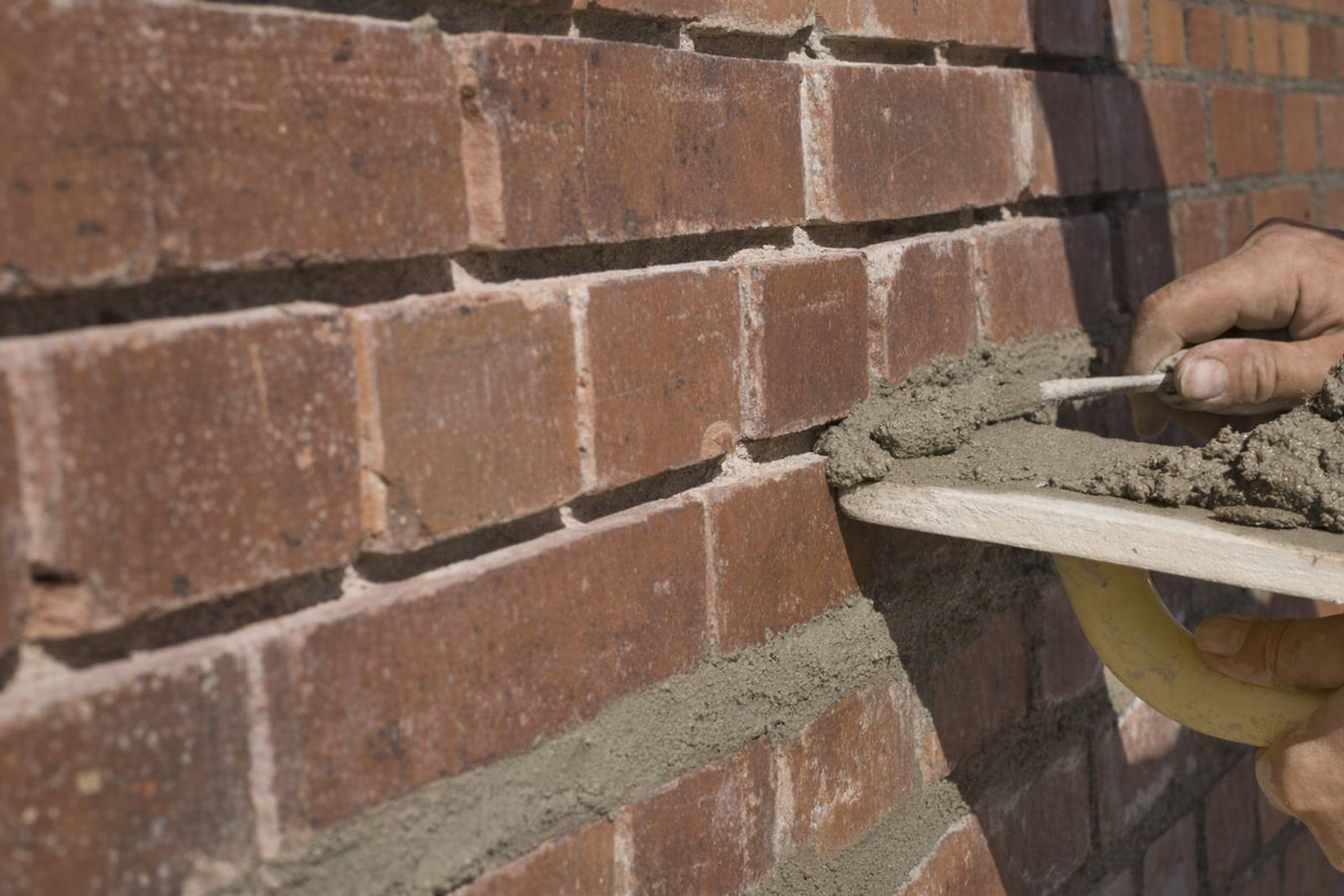
Brick pointing in Mountain View means a mason cuts out the old, crumbling mortar between your bricks and packs in fresh mortar to restore the seal. Most jobs on a chimney or wall section take one to three days, and the work does not require a building permit in most cases. Quality repointing done with the right mortar can last 25 to 50 years.
Mortar is softer than brick by design - it absorbs movement and moisture so the bricks themselves do not crack. Over time, water, temperature changes, and the ground movement common in Mountain View's seismically active setting cause mortar to shrink, pull away from the brick face, and eventually crumble. This is completely normal, and a large share of the mid-century brick chimneys, planters, and accent walls throughout Mountain View's older neighborhoods are now due for attention. A small repointing job today costs far less than fixing the water damage that follows if you wait. Homeowners who suspect deeper structural damage alongside failing mortar can ask about foundation repair as a related concern - we assess both during the same site visit.
Where brick surfaces have deteriorated beyond what repointing alone can address, masonry restoration covers the broader range of repairs - spalling brick, damaged sections, and structural issues - that bring the whole wall back to sound condition rather than just sealing the joints.
Walk up close to your chimney, brick planter, or exterior wall and look at the lines between the bricks. If the mortar looks sandy, is flaking away, or has gaps you can push a finger into, that is the clearest sign repointing is needed. Brick chimneys on mid-century Mountain View homes - many now 50 to 70 years old - are the most common place to find this kind of wear.
A chalky white residue on your bricks is called efflorescence - salt left behind when water moves through the wall and evaporates on the surface. In Mountain View, where winter rains push moisture through aging mortar joints, this is a common early warning sign. It means water is already getting in, and the mortar is no longer doing its job.
The Bay Area experiences frequent small earthquakes, and even a minor shake can open hairline cracks in mortar joints that were already weakened. If you noticed new cracks in your chimney or brick wall after a tremor - even a small one you barely felt - have a mason look at it before the next rainy season. Hairline cracks let water in and grow larger with each wet-dry cycle.
If you have a brick fireplace or exterior brick wall and you are seeing water stains, peeling paint, or a musty smell on the interior side, failing mortar joints are a likely culprit. Water is finding its way through the wall. This is especially common in Mountain View homes built in the 1950s and 1960s, where original mortar is decades past its expected lifespan.
We handle brick pointing on the full range of residential structures in Mountain View - chimneys, exterior accent walls, garden planters, low boundary walls, and interior fireplaces. Every job starts with cutting out the deteriorated mortar cleanly, not just smearing new mortar over the top of the old, which is a shortcut that fails quickly and is easy to spot on close inspection. We match the replacement mortar to the age and type of your brick - using a mortar that is too hard for older bricks can actually cause the bricks to crack rather than protect them, which is a common mistake on mid-century Mountain View homes where softer historic brick is still in place. For structures where the brick itself has cracked or spalled alongside failing mortar, we discuss whether foundation repair or other structural work needs to run alongside the pointing job.
Homeowners whose brickwork has moved past what pointing can fix - sections where bricks are missing, walls that are no longer structurally sound, or surfaces showing significant water damage - should ask about masonry restoration, which addresses the underlying structural issues rather than just resealing the joints. We walk through both options during the site visit and give you an honest assessment of which approach fits your situation.
For homeowners with aging brick chimneys showing crumbling joints, staining, or cracks - particularly common on Mountain View mid-century homes.
Suited to brick accent walls, garden planters, and low boundary walls where mortar has worn down but the bricks themselves remain structurally sound.
For Bay Area homeowners who want a mason to assess and seal any new joint cracks that opened during a tremor before the rainy season arrives.
For indoor fireplaces or exposed brick walls where mortar has loosened, stained, or become a draft or safety concern.
Mountain View sits in one of the wettest parts of the Bay Area's rainy season corridor. Consistent rainfall from November through March puts steady pressure on every mortar joint in every brick structure on your property. If those joints are already worn - and on a home built in the 1950s or 1960s, they almost certainly are - each rainy season accelerates the damage. Water gets behind the brick, salts migrate through the wall, and the face of the brick itself starts to deteriorate. Getting the joints sealed before the rains arrive is one of the most cost-effective maintenance decisions a Mountain View homeowner can make. We serve properties throughout the area, including Sunnyvale and Santa Clara, and timing repointing work ahead of the rainy season is a consistent recommendation we give homeowners all across this part of the Bay Area.
The Bay Area's seismic activity adds a second local factor that does not come up in most other markets. Mountain View sits between the Hayward and San Andreas fault systems, and even the minor tremors that residents barely notice can open hairline cracks in mortar that was already aging. Over several seasons, those hairline cracks widen and let in water. It is worth doing a quick visual inspection of brick chimneys and walls after any noticeable shake - and having a mason close up what you find before the rains return. For homeowners in Mountain View's HOA-governed communities, most associations classify repointing as routine maintenance and do not require formal approval, but confirming with your HOA before booking is always the right first step.
We start with a few quick questions: what type of structure it is, roughly how large the area is, and whether you have noticed any specific damage. Most reputable contractors schedule a site visit rather than quoting over the phone, because the full scope of mortar wear only shows up in person. We reply within one business day.
The mason inspects the mortar joints up close, checks the condition of the bricks, and looks for any underlying damage that should be addressed first. You get a written estimate breaking down the cost and scope. Ask what is included and what is not - a contractor who explains it clearly is one you can trust with the work.
Once you accept the estimate, you agree on a start date. In Mountain View, HOA-governed neighborhoods may require written approval before exterior work begins, even for maintenance repairs. If your property falls under an HOA, we help you understand what approval is needed so there are no last-minute delays when the crew arrives.
The crew grinds out old mortar, cleans the joints, and packs in fresh mortar matched to your existing brickwork. Before they leave, walk the finished area together and look at the joints - they should be smooth, consistent, and close in color to the original. Fresh mortar needs 24 to 48 hours before it should get wet.
We reply within one business day. No pressure, no upselling - just an honest assessment and a written quote for your Mountain View property.
(650) 582-0573Using a mortar that is too hard for your bricks can cause the bricks themselves to crack over time rather than protecting them. We match the new mortar to the age and type of your brick - which is especially important for the mid-century homes that make up a large share of Mountain View's housing stock. The result blends in rather than standing out.
Mountain View sits near two major fault systems, and the Bay Area's wet winters are the leading cause of accelerated mortar failure here. We schedule work to give fresh mortar the dry curing window it needs, and we know what to look for when assessing joints that may have shifted from ground movement rather than age alone. The Brick Industry Association sets the professional standard we work to on every project.
Brick Industry AssociationMany of Mountain View's townhome communities and planned developments require written HOA approval before any exterior masonry work begins, even for routine maintenance. We ask about HOA status at the start of every project and walk you through what approval steps are needed so work does not get stopped after it has already started.
In one of the most expensive labor markets in the country, you deserve a clear written quote before any tools come out. We assess the full scope on-site and give you a breakdown of what is being replaced and why. If we find something unexpected during the job, we tell you before we proceed - not after the fact.
California masonry contractors must hold an active license from the California Contractors State License Board, and you can verify any contractor's license status on the CSLB website in under a minute. A licensed contractor carries the insurance that protects you if something goes wrong on your property during the job - and in a market as expensive as Mountain View, that protection is worth confirming before you sign anything.
When water has been getting through failed mortar joints for years, foundation damage can follow - a mason can assess both issues in the same visit.
Learn MoreFor older Mountain View homes where brick surfaces have deteriorated beyond repointing alone, full masonry restoration returns the structure to sound condition.
Learn MoreMountain View's wet season fills contractor schedules fast in fall - reach out now to lock in your spot and protect your brickwork before the first rains hit.