
Loading...
Serving Mountain View, CA and surrounding areas. (650) 582-0573
Stop replacing the same fence every decade. We build permanent brick walls in Mountain View on reinforced foundations, with permits handled and HOA coordination built in from the start.
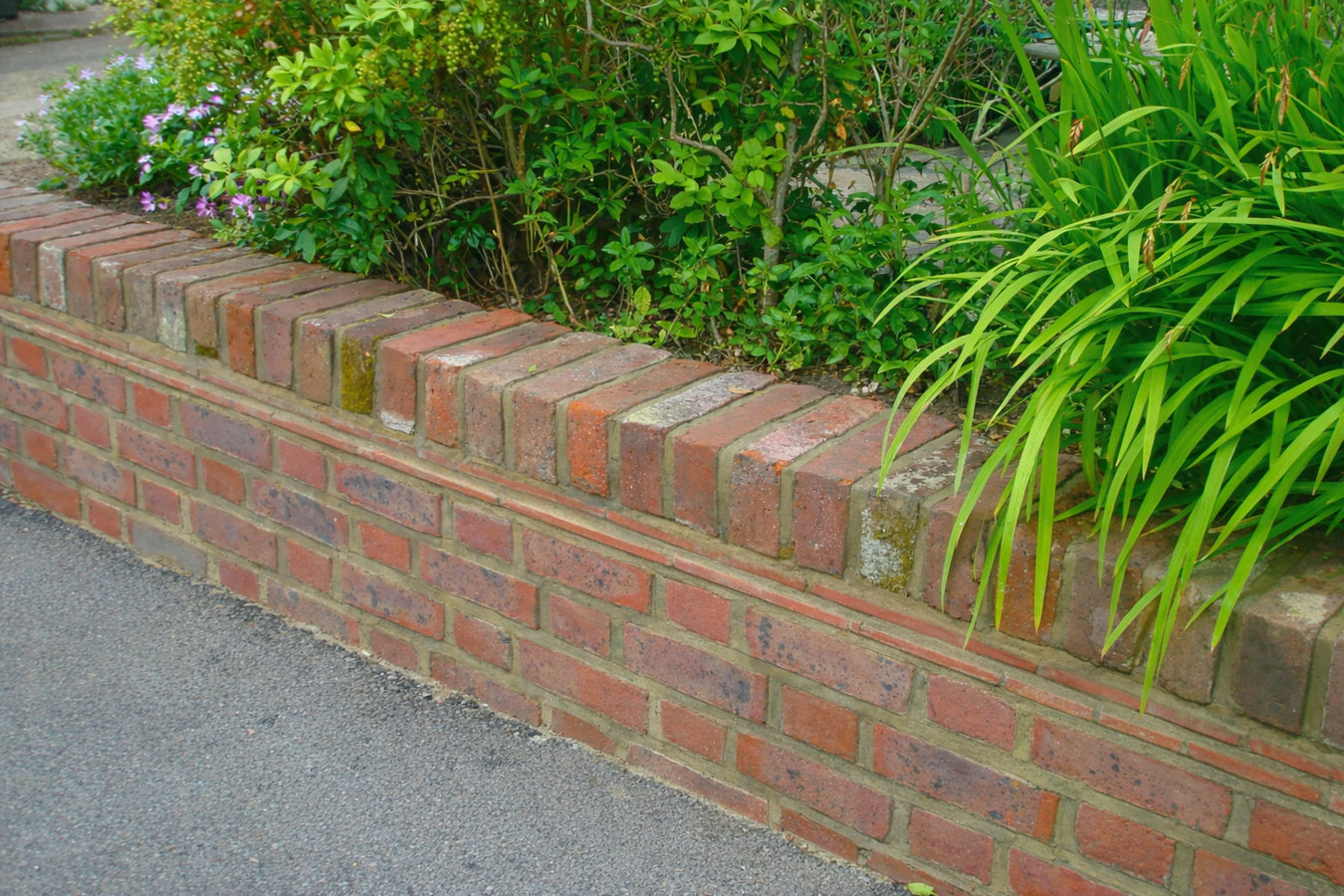
Brick wall installation in Mountain View means a mason lays individual bricks course by course, bonded with mortar, on a reinforced concrete footing poured below ground level. A short garden wall or single-panel boundary wall typically takes one to three days of bricklaying once the footing has cured. Larger or taller walls can take a week or more. In Mountain View, most walls over three feet tall require a city building permit before work begins.
The foundation is the part of the project most homeowners never see - and it is the most important. A brick wall in Mountain View needs a deeper, reinforced footing than the same wall would need in most other states, because of the area's seismic exposure. Contractors who skip proper footing depth and rebar placement are building a wall that looks right today but may not survive a significant shake. If you are also planning a brick repair on an existing wall elsewhere on your property, combining projects into the same mobilization is often more efficient and cost-effective.
Homeowners who want natural stone as an alternative or complement to brick will find that stone masonry follows a similar construction process - reinforced footing, course-by-course installation, and city permits - but offers a different texture and appearance that can work especially well for garden or landscape walls.
If you can see that a wall is no longer straight - tilting toward the street, bowing outward, or separating from a gate post - that is a structural warning sign, not just a cosmetic one. In Mountain View's seismic environment, a wall that is already leaning is more likely to fall during a tremor. Do not wait for it to come down on its own.
Run your finger along the joints between bricks. If the mortar crumbles away easily, feels sandy, or has gaps you can push a finger into, water is getting behind the wall. In the Bay Area's wet winters, that moisture accelerates the damage season by season until the wall needs full replacement rather than a simple repair.
Wood fences in Mountain View's climate tend to rot at the posts within 10 to 15 years, especially in shaded or damp areas. If you have replaced the same section twice already, a brick wall is worth considering - it will not rot, warp, or need painting, and it adds more lasting value to your property than wood fencing does.
Any time you change the level of soil in your yard - building up a planting bed, installing a pool deck, or grading for drainage - you may need a wall to hold that soil in place. Without one, soil will erode or shift during Mountain View's heavy winter rain events. A brick retaining wall is both functional and attractive in this role.
We build the full range of brick wall types in Mountain View - from low garden walls that define a planting bed to full-height boundary walls replacing deteriorating wood fencing, to retaining walls holding back sloped yards after a grade change. Every wall starts with an excavated footing, rebar placement, and a poured concrete base sized for the height and load the wall will carry. Brick options include standard clay brick in a range of colors and finishes, and we can match existing brickwork on your property if you are extending or repairing a partial wall. For homeowners who want a complementary surface that flows from the wall to the yard, a stone masonry element such as a stone cap or feature section can be worked into the same project.
Where existing brickwork elsewhere on the property has cracked joints or damaged sections, brick repair can be scheduled alongside a new wall installation so the finished property presents consistently. We assess both the new build and any existing brick during the same site visit and include repair work in the written estimate so there are no separate mobilization costs.
For homeowners who want to define planting beds, create tiered levels in the yard, or add a decorative border to outdoor spaces.
Suited to homeowners replacing deteriorating wood fencing or adding a permanent, low-maintenance boundary along a property line.
For properties with grade changes, sloped yards, or raised garden beds where a wall is needed to hold soil in place against gravity and rain.
Brick walls at the entry or along a walkway that create a formal front approach and give the property a finished, cohesive look.
Mountain View sits directly adjacent to the Hayward and San Andreas fault systems, which makes seismic reinforcement a genuine requirement here - not just a legal formality. Any brick wall built without proper rebar in the footing and, for taller walls, a reinforced bond beam at the top is a wall that may not survive a significant shake. This is one of the clearest cases where hiring a contractor who works regularly in the Bay Area matters: a mason from outside the region may not default to the reinforcement details that California conditions demand. We serve homeowners throughout this corridor, including Palo Alto and Santa Clara, and seismic detailing is a standard part of every wall project we take on.
Mountain View also has one of the highest concentrations of HOA-governed neighborhoods in Santa Clara County, particularly in its newer developments and townhome communities. A wall that does not go through HOA architectural review before construction begins can be required to come down at the homeowner's expense - regardless of whether it met city code. We make HOA status one of our first questions on any project, and we help you navigate the approval process if it is required. Permitting through the city's Building Division is handled the same way: we manage every application, coordinate inspections, and make sure the finished wall is on the record before we leave the site.
We start with a brief conversation about where the wall will go, roughly how long and tall you are thinking, and whether it needs to hold back soil. Most reputable contractors will schedule a free on-site visit rather than quoting over the phone, because lot access and site conditions vary so much in Mountain View. We reply within one business day.
We visit your property to measure the site, check access for materials, and assess what permits will be required. For most walls over three feet tall in Mountain View, a permit is needed before work begins. We give you a written estimate that breaks out labor, materials, footing work, and any permit fees.
We submit the permit application to the City of Mountain View's Building Division on your behalf. Permit processing typically takes one to three weeks. Once approved, we dig the footing trench, set any required rebar, and pour the concrete foundation - which needs at least 24 hours to cure before bricklaying begins.
The mason sets up a level line and lays courses of brick from the bottom up, checking for level and plumb at every row. If a permit was pulled, a city inspector signs off on the finished wall. We walk you through basic care before we leave - including the curing window and what to watch for in the first few weeks.
We reply within one business day. No pressure, no sales pitch - just honest answers and a written quote for your Mountain View property.
(650) 582-0573Mountain View sits adjacent to the Hayward and San Andreas fault systems, and a masonry wall that was not built with reinforced footings and rebar can collapse during a moderate earthquake. We build every wall here to California's seismic requirements - which adds cost compared to other states, but means your wall is still standing after the ground moves.
We file every permit application with the city's Building Division, respond to any city questions, and stay through final sign-off. That documentation protects your home's value in Mountain View's competitive real estate market - unpermitted walls flagged at resale can require costly remediation or demolition.
A significant share of Mountain View's residential neighborhoods are governed by homeowners associations with rules about wall height, materials, and color. We ask about your HOA situation at the start and review guidelines before any excavation begins. That step prevents the most expensive possible outcome - being required to tear down finished work.
Mountain View's compact lots and high labor rates can make brick wall projects vary significantly in price, and vague estimates lead to budget problems. We provide a written breakdown covering footing, labor, materials, and permit fees before you commit to anything - and we do not adjust the scope without telling you why.
The Brick Industry Association and the California Seismic Safety Commission both publish technical resources on how brick walls should be built in seismically active regions. Local knowledge of Mountain View's permit process, lot constraints, and HOA landscape is what turns those standards into a wall that is still standing - and still on the right side of your property line - decades from now.
Natural stone walls and features that bring a different texture and character to your yard, using the same reinforced construction methods.
Learn MoreIf your existing brick wall has cracked mortar joints or damaged sections, repair work can extend its life significantly before a full replacement is needed.
Learn MorePermit season fills up fast - reach out now to lock in your start date before the spring and summer rush arrives.